
Fox hunting with dogs has been illegal in England and Wales for more than two decades, but the argument over hunts and wildlife protection is far from settled. In March 2026, the UK government opened a consultation on proposals to prohibit trail hunting—a legal activity created after the traditional ban.
The distinction matters. The government has announced its intention to pursue a ban, but trail hunting has not yet been prohibited nationwide through new legislation. The consultation is part of the process, not the final law.
What the Hunting Act already prohibits
The Hunting Act 2004 makes it an offense in England and Wales to hunt a wild mammal with a dog unless the activity falls within a statutory exemption. It took effect in February 2005 and covers animals including foxes, deer, hares and mink.
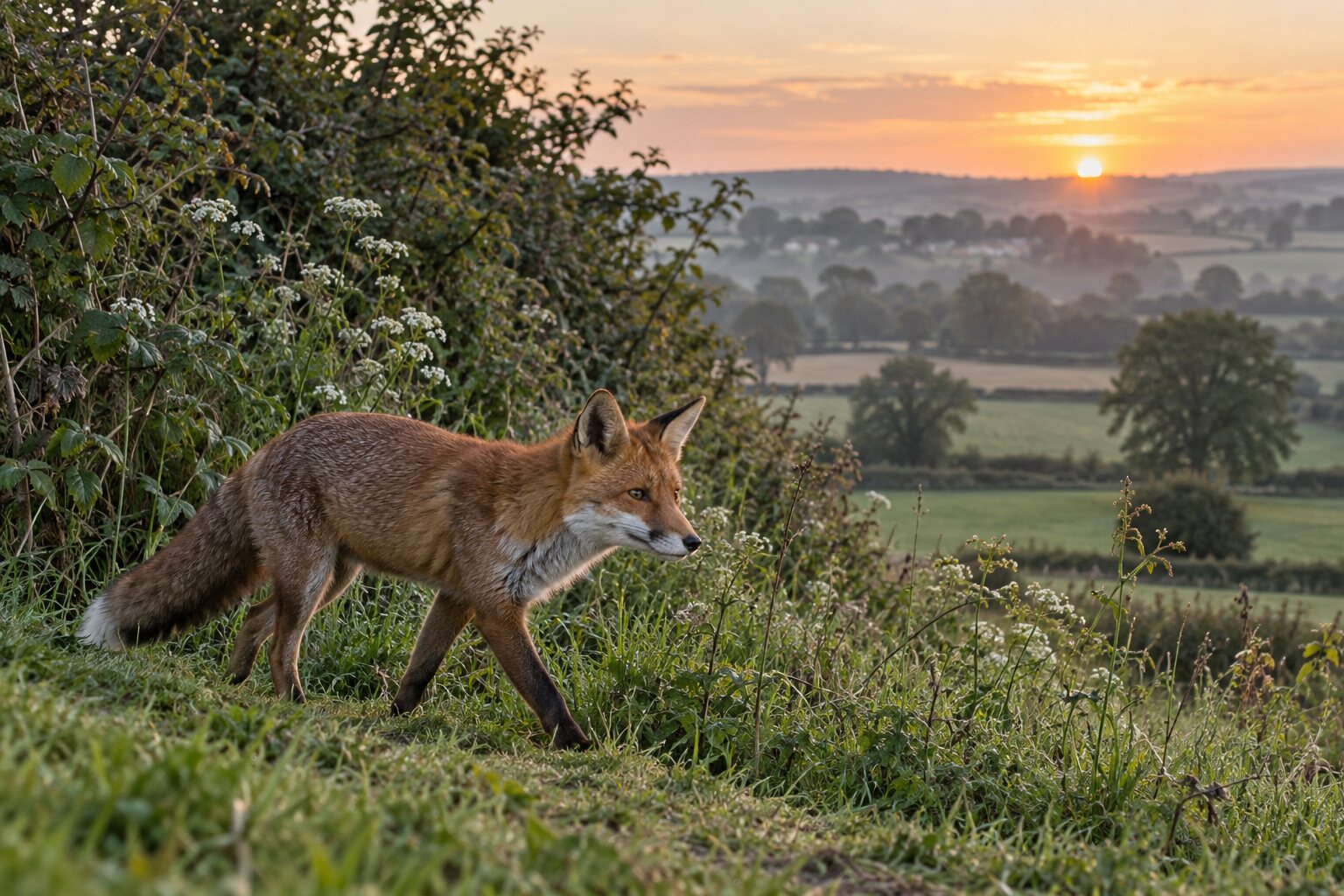
Trail hunting developed as an alternative after the ban. In principle, hounds follow a pre-laid scent rather than a live fox. Supporters present it as a lawful countryside activity that preserves hunt traditions without intentionally pursuing wildlife.
Animal-welfare groups dispute whether the separation always works in practice. The RSPCA says trail hunting can lead to foxes being chased or killed and argues that parts of the existing law should be tightened. Major land managers have already restricted trail hunting on land they control.
The government is proposing another change
On March 26, 2026, the Department for Environment, Food and Rural Affairs announced a consultation on prohibiting trail hunting in England and Wales. Government documents say implementing the proposal would require primary legislation.
The consultation asks how trail hunting should be defined and whether other legal changes are necessary for an effective ban. That means details could still change before any bill is introduced, debated and enacted.

The government’s animal-welfare strategy says concerns persist that illegal hunting may be carried out under the guise of trail hunting. Opponents of a new prohibition argue that existing offenses should be enforced rather than replacing a lawful activity with a broader ban. The policy debate therefore covers animal welfare, enforcement, rural tradition and how legislation should distinguish legal activity from illegal pursuit.
Ricky Gervais is one voice in a much larger campaign
Comedian and animal advocate Ricky Gervais has repeatedly condemned fox hunting. In a widely shared 2015 post, he rejected the claim that the activity was simply pest control and described it as entertainment built around the fear and death of an animal.
His comments did not create the Hunting Act or the current consultation, and he is one of many public figures and campaigners involved in the wider debate. His reach has, however, helped keep animal-welfare arguments visible to audiences far beyond traditional policy circles.
The most accurate picture in 2026 is not that fox hunting has suddenly been banned. Hunting wild mammals with dogs was already restricted by the 2004 law, subject to exemptions. The new development is the government’s stated intention to prohibit trail hunting and its consultation on how that could be done.
For foxes, the legal terminology has real consequences. Whether lawmakers strengthen the existing framework or enact a separate prohibition will determine how hunts operate, how offenses are investigated and how wildlife is protected in the countryside.
Sources
- UK Government: Trail hunting set to be banned, March 26, 2026
- DEFRA: Consultation on proposals to prohibit trail hunting
- UK legislation: Hunting Act 2004
- RSPCA: Fox hunting and trail hunting
- Ricky Gervais: 2015 statement on fox hunting
