
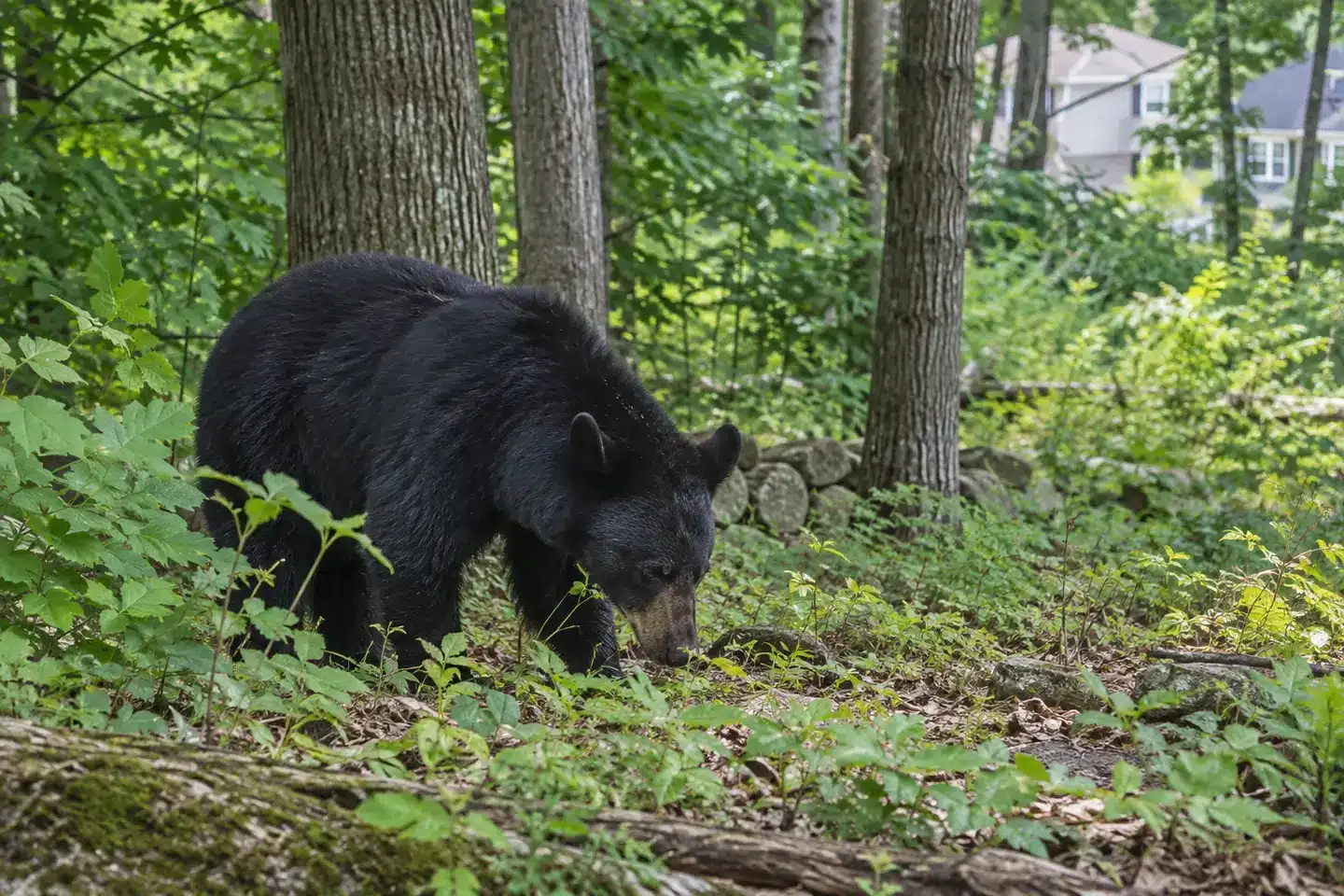
New Jersey’s 2018 move to keep black bear hunting off state-controlled lands was celebrated as a major wildlife protection. But the policy was neither a statewide ban nor a permanent one: the state restored a regulated bear hunt in late 2022, and bear hunting remains part of New Jersey’s current management framework.
That distinction matters because the older decision is still frequently shared online as if it were current policy. The accurate story is one of a significant but temporary restriction—and an ongoing debate about how New Jersey should reduce conflicts between people and black bears.
What New Jersey changed in 2018
On August 20, 2018, Gov. Phil Murphy issued Executive Order No. 34. The order acknowledged that the governor could not unilaterally cancel a hunt authorized by the Fish and Game Council, but directed the Department of Environmental Protection to use its authority over state-controlled lands to protect bears there.
The resulting restriction closed roughly 700,000 acres of state-administered property to black bear hunting. It did not prohibit bear hunting everywhere in New Jersey: hunting could still occur on eligible private land and other property outside DEP control when otherwise authorized.
The policy reversed in 2022
New Jersey halted the hunt entirely after the previous management plan expired, but that pause also did not last. In November 2022, the state approved an emergency amendment restoring a regulated black bear hunt, citing a rise in reported encounters and property damage. The hunt resumed that December.
The New Jersey Department of Environmental Protection’s bear-hunting information continues to describe regulated hunting as one element of the state’s management program. The agency’s management FAQ also places hunting alongside education, research, public safety work and conflict response.
So the most accurate summary is not that New Jersey permanently “saved” bears from hunting on public land. It is that the state imposed a meaningful restriction in 2018, later paused the hunt, and then reversed course in 2022.
Prevention remains essential
Whatever position people take on hunting, many dangerous bear encounters begin with human-controlled food. Unsecured trash, outdoor pet food, bird feeders and intentional feeding can draw bears repeatedly into residential areas. Once bears associate homes with food, the risk grows for residents and for the animals themselves.
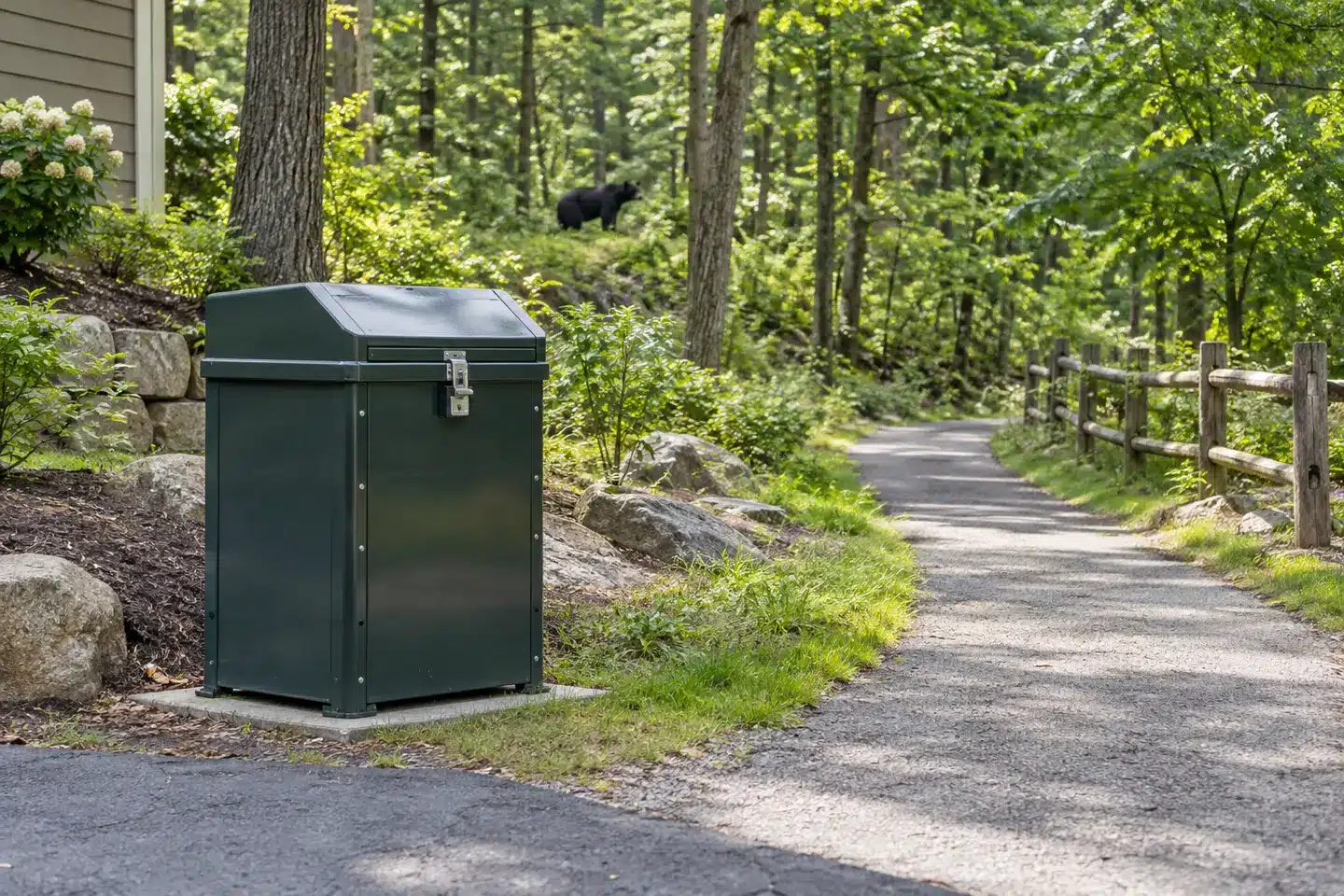
Bear-resistant waste containers, enforcement against wildlife feeding, public education and quick removal of attractants can reduce the conditions that bring bears close to people. These measures do not settle the political debate, but they address a preventable source of conflict.
The 2018 order remains an important chapter in New Jersey wildlife policy. Presenting it honestly—including its limits and later reversal—gives the public a clearer basis for discussing what effective and humane bear management should look like now.
Sources
- New Jersey Executive Order No. 34, issued August 20, 2018
- NJDEP: Black bear hunting season information
- NJDEP: Black bear management FAQs
