
Tyson Foods says it will close two U.S. beef facilities and pursue the sale of a third as a historic cattle shortage forces the company to shrink and reorganize its processing network.
The August 13, 2026 announcement affects operations in Illinois, Utah and Washington. It is often summarized as Tyson “closing three plants,” but the details are more precise: the company will end operations in Joslin, Illinois, and Eagle Mountain, Utah, while seeking a buyer for its beef facility in Pasco, Washington.
Two closures and one proposed sale
In its official restructuring announcement, Tyson said it would concentrate its beef business around facilities in Dakota City, Nebraska; Holcomb, Kansas; and Amarillo, Texas. Capacity from Joslin and Eagle Mountain is expected to move to other facilities, while Pasco’s future depends on the sale process.
The company said the changes are intended to maintain a similar level of cattle processing across a smaller and more efficient network. Tyson also acknowledged the impact on employees and communities and said it would help affected workers apply for other available jobs.
That human impact is significant. Processing facilities support direct employees as well as ranchers, transport companies, local suppliers and nearby businesses. A closure can reshape a local economy even when production is transferred elsewhere.
A cattle herd near a 75-year low
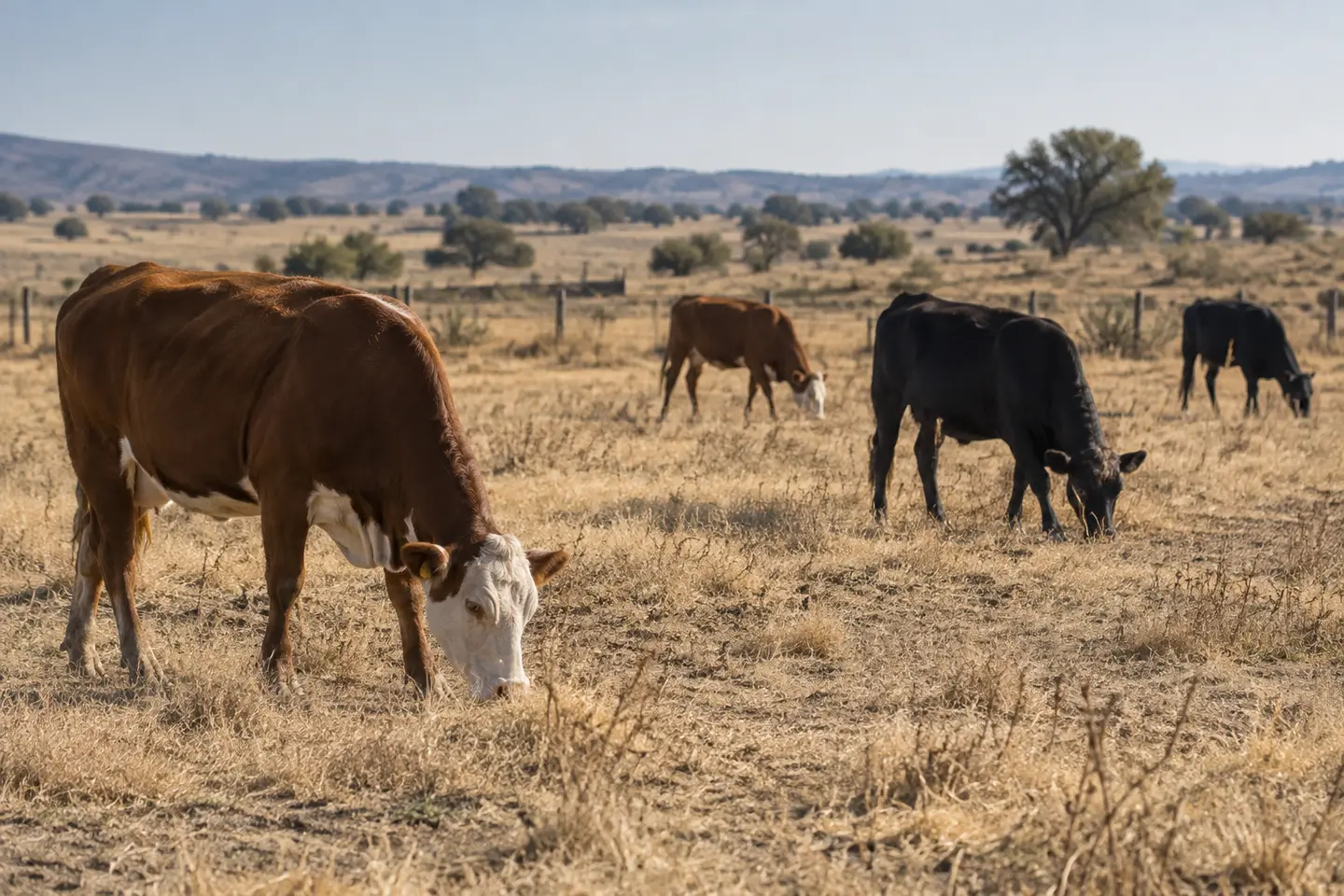
Tyson linked the restructuring to what it called one of the most historic cattle shortages the United States has experienced. The company cited federal inventory data showing continuing supply constraints and limited retention of young female cattle needed to rebuild herds.
Years of drought, expensive feed, high operating costs and herd reductions have left processors competing for fewer cattle. Rebuilding does not happen quickly: ranchers must hold back breeding animals, wait through gestation and then raise calves before they enter the production system.
That delay helps explain why tight supplies can persist even after pasture conditions or cattle prices improve. Large plants have high fixed costs, so running below capacity can quickly damage profitability.
The story extends beyond plant economics
The restructuring brings together several difficult issues: displaced workers, pressure on rural communities, financial strain on producers and the scale of an industry built around processing millions of animals.
For animal-welfare advocates, the moment also raises questions about the future of food production, including whether demand, production methods and climate pressures can continue along the same path. For ranchers and workers, meanwhile, the immediate concerns are livelihoods, market access and whether remaining facilities are close enough to serve their regions.
Tyson’s announcement does not mean three facilities are all shutting permanently. Two are scheduled to close, while one is being offered for sale. That distinction is essential for understanding both the company’s decision and what may happen next in Pasco.
Sources
- Tyson Foods announcement, August 13, 2026
- USDA National Agricultural Statistics Service: January 2026 Cattle report
