
A viral animal photo can look joyful, harmless and spontaneous. But a camera does not show everything: repeated takes, stressful handling, restrictive housing or an animal kept primarily because it attracts attention may remain outside the frame.
There is no evidence that every popular pet account harms animals, and sharing an animal online is not inherently wrong. The concern begins when engagement, sponsorships or sales become more important than the animal’s physical and behavioral needs.
A cute post can influence real-world demand
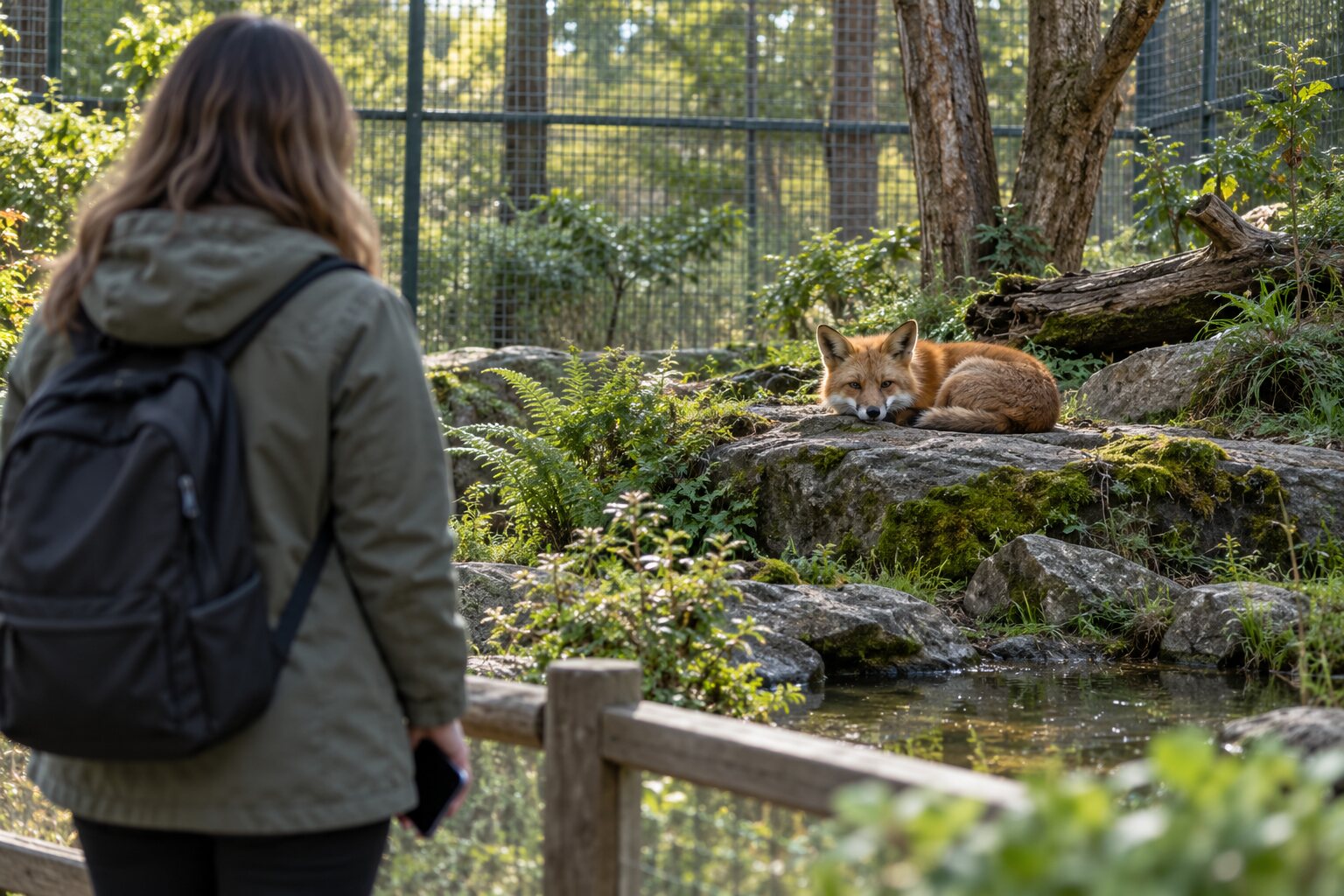
Researchers have found that context matters when people view wildlife online. A 2024 study indexed by the U.S. National Library of Medicine examined how captions affected viewers’ perceptions of images involving people and wildlife. The researchers noted that promoting human contact with wildlife can create conservation and welfare risks by encouraging unsafe encounters and demand for animal-photo experiences.
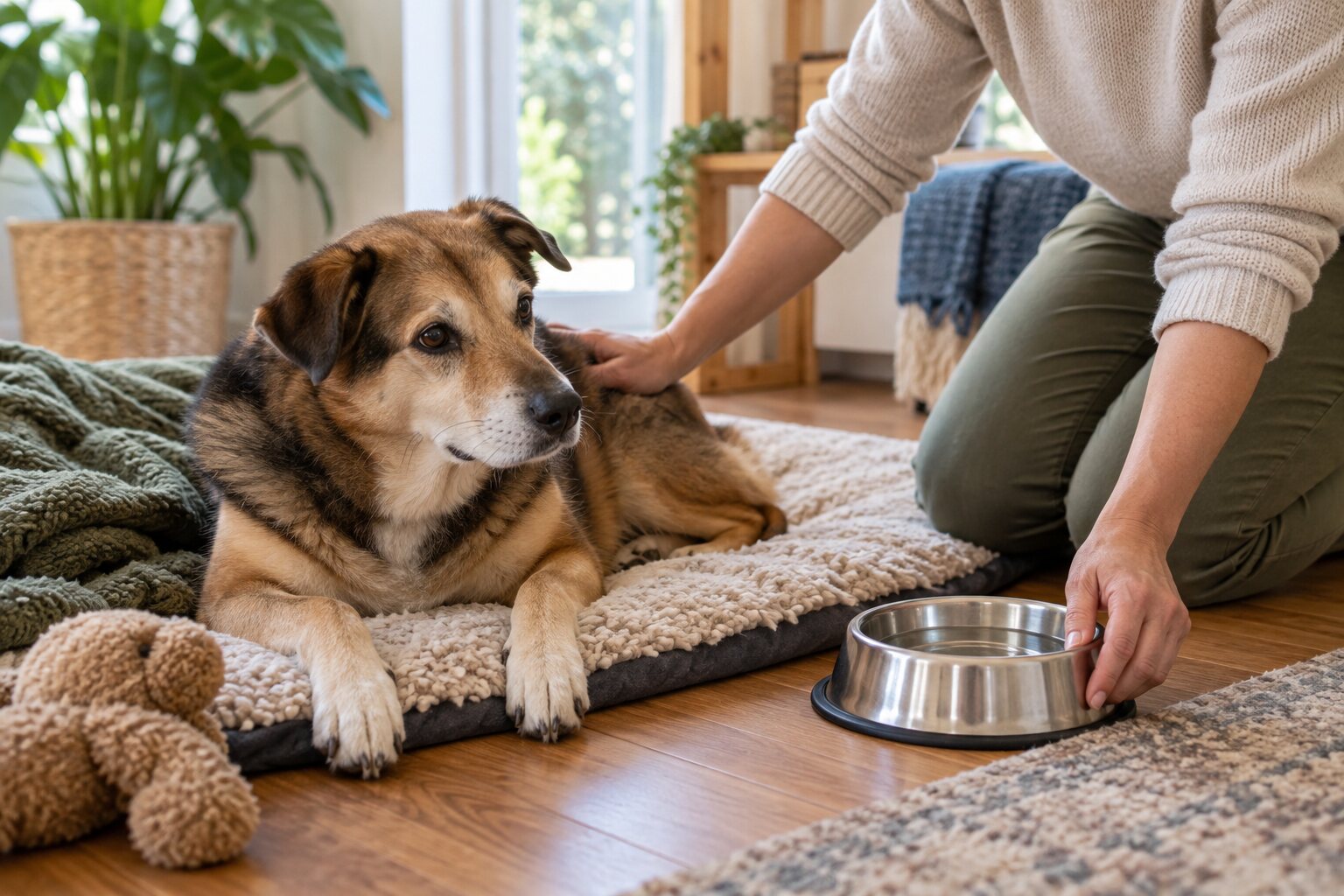
Another peer-reviewed study found that photographs showing animals and people together can be misunderstood when they are separated from their original context. Even ethically produced images may inadvertently normalize photo-prop attractions or contribute to interest in exotic pets. That does not make every human-and-animal photograph irresponsible, but it shows why creators need to think beyond the immediate reaction a post receives.
The exotic-pet trade adds another layer. A study of ball pythons sold in North America and Europe found widespread housing below minimum welfare recommendations and inadequate husbandry guidance from many sellers, including on websites and associated social-media pages. A striking animal can generate desire long before a viewer understands the specialized care it requires.
The animal cannot consent to the business model
Dogs, cats and other domestic animals may genuinely enjoy familiar routines, play and interaction. Responsible creators can share those moments without compromising welfare. The basic test is simple: would the animal still receive the same rest, medical care, enrichment and protection if the account stopped earning money tomorrow?
Warning signs can include forced interactions, repeated distress signals, dangerous stunts, punishment disguised as comedy, close contact with wild animals, or a creator continuing to film when the animal needs space. Viewers cannot diagnose welfare from a few seconds of video, but they can avoid rewarding content that clearly treats fear or discomfort as entertainment.
Formal productions also have responsibilities. The RSPCA’s performing-animal guidance covers films, advertising, photography, webcasts and music videos, reflecting the fact that animal welfare standards do not disappear when the intended audience is online.
What responsible viewers and creators can do
Creators should plan around the animal rather than forcing the animal around a content schedule. Sessions should stop when stress appears. Species-appropriate care, veterinary advice and safe handling should never be traded for a dramatic shot.
Viewers have influence too. Before following, sharing or buying, they can ask whether the account encourages safe care, whether wildlife contact is being normalized, and whether the animal is treated as an individual rather than a replaceable prop. Content that appears to show cruelty or serious neglect should be reported to the platform and, when an animal may be in immediate danger, to the appropriate local authority or animal-welfare organization.
An animal’s popularity can support rescue, education and compassionate care. But attention is never proof of good welfare. Likes measure audience behavior; they do not measure whether an animal feels safe.
Sources
- PubMed: Effects of captions on viewers’ perceptions of wildlife images
- PubMed: Animal-human two-shot images and out-of-context interpretation
- PubMed: Welfare of ball pythons traded in North America and Europe
- RSPCA: Performing animal welfare advice
