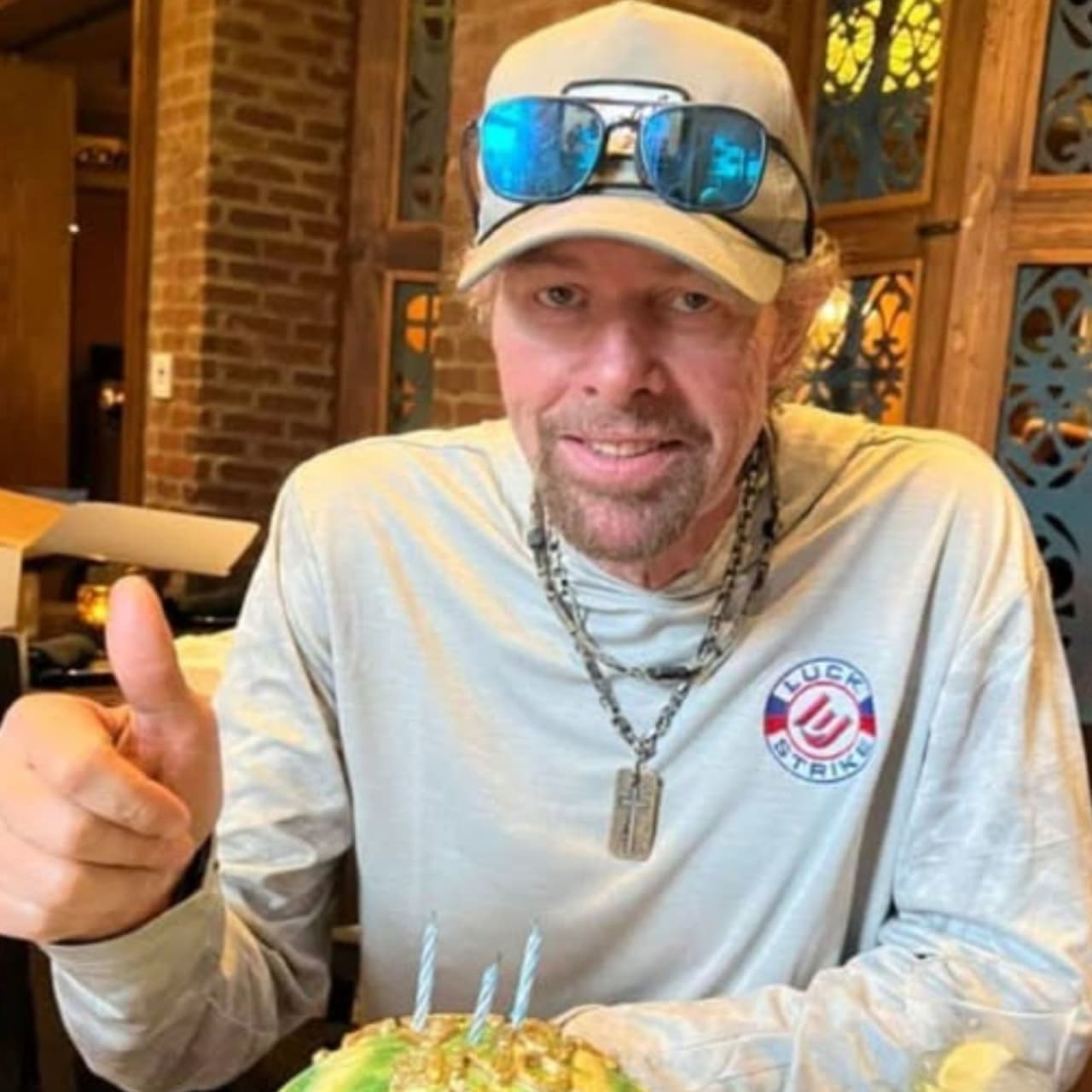
Willie Nelson and Neil Young were recently acknowledged by leaders from the Oglala, Ponca, and Omaha Nations in Austin, a gesture that celebrated their long-standing commitment to various causes. Social media posts highlight the event, describing it as a heartfelt expression of gratitude rather than a spectacle. Observers noted a quiet atmosphere filled with appreciation and community spirit.
Images shared online capture Nelson in a wheelchair, smiling under the stage lights, while Young stood close by with his guitar. During the event, elders spoke about the significance of Farm Aid, challenges faced by family farmers, and the importance of Indigenous sovereignty. According to those present, the occasion focused on giving thanks rather than fanfare.
If you prefer not to read the full story,
Skip ahead to watch the video ->
This recognition marks a partnership that has been in place for decades. In 1985, Nelson and Young, along with John Mellencamp, co-founded Farm Aid, which has provided critical support to family farmers through concerts, campaigns, and financial grants. Both artists have also championed Indigenous-led initiatives throughout North America.
Beyond music, Nelson and Young have been active advocates for environmental and land-rights issues. Young has participated in benefit concerts addressing these concerns in Canada, while Nelson’s Farm Aid efforts have integrated Native farmers and organizers. Their contributions have consistently highlighted the importance of agricultural resilience and community respect.
Symbolism played a part in the ceremony, with reports mentioning that a blanket was placed over Nelson’s shoulders and Young was given an eagle feather. Soft drumbeats set the tone as attendees reflected on history, connection, and their shared duties.
One post described a Ponca elder’s words of praise for the artists’ dedication to justice. Others noted Nelson and Young’s comments about standing with communities and spreading hope through their music. The common theme was service and relationships nurtured through their art.
The recognition event quickly spread across fan and advocacy networks online. Many observers commented on the importance of the moment, especially given Nelson’s age and the need to continue supporting farmers. Relevant hashtags gained momentum as a tribute to the enduring efforts of Nelson and Young.
These recent acknowledgments follow a history of honors from Plains Nations for their supporting roles. In 2014, they participated in a private ceremony near Neligh, Nebraska, receiving buffalo robes from Great Sioux Nation leaders. Other recognitions have come from the Rosebud Sioux, Oglala Lakota, Ponca, and Omaha leaders acknowledging their contributions to environmental and farming issues.
If the Austin gathering unfolded as described, it underscores a familiar legacy for both artists, defined not only by their music but also by the communities they have supported. The story serves as a reminder that music can bear responsibilities alongside its melodies. Dedicated service, they suggest, is a collective effort amplified by many voices.
As the evening reportedly concluded on an emotional note, attendees stood together—some with tears, others with raised hands. The event was more reflective of a promise to continue listening, learning, and working for a more just and sustainable future.
For those who have followed Nelson and Young’s efforts, this narrative illustrates what sustained service entails. It begins with attention and endures through action. Whether on stage, in farm fields, or at community events, their contributions aim to uplift voices historically overlooked.
Readers interested in these developments are encouraged to seek out official statements and primary reports to differentiate between heartfelt tributes and retellings. What remains evident is the example set by Nelson and Young, who have consistently shown their support when it was needed most.
Watch the video below:
More Country Music.