
Baby dolphins can be one of the biggest attractions at a marine park. In Mexico, however, producing a new generation of dolphins for commercial display is now prohibited.
A reform to Mexico’s General Wildlife Law, published in the country’s official gazette on July 16, 2025, bans the reproduction of captive marine mammals. The exception is narrowly defined: breeding may be authorized for conservation programs involving the recovery, reintroduction or repopulation of threatened or endangered species.
The change turns a familiar question—whether visitors should lose the chance to see baby dolphins—into a real policy decision. Mexico has decided that entertainment is not a sufficient reason to bring more dolphins and other marine mammals into captivity.

What Mexico’s law actually says
The decree amended several provisions of the General Wildlife Law, including Article 60 Bis. Its language covers marine mammals broadly, not dolphins alone.
It prohibits keeping and using marine mammals for activities outside the purposes allowed by the law, with limited exceptions for qualifying conservation breeding and for animals rescued and placed by competent authorities without a profit motive. It also expressly prohibits reproduction except under the conservation exception.
Facilities that already held marine mammals under approved management plans before the reform may continue caring for those animals until the animals die, but reproduction is excluded. If an accidental birth occurs, the owners or keepers must finance the animal’s care, cannot profit directly or indirectly from the birth and must notify the authorities.
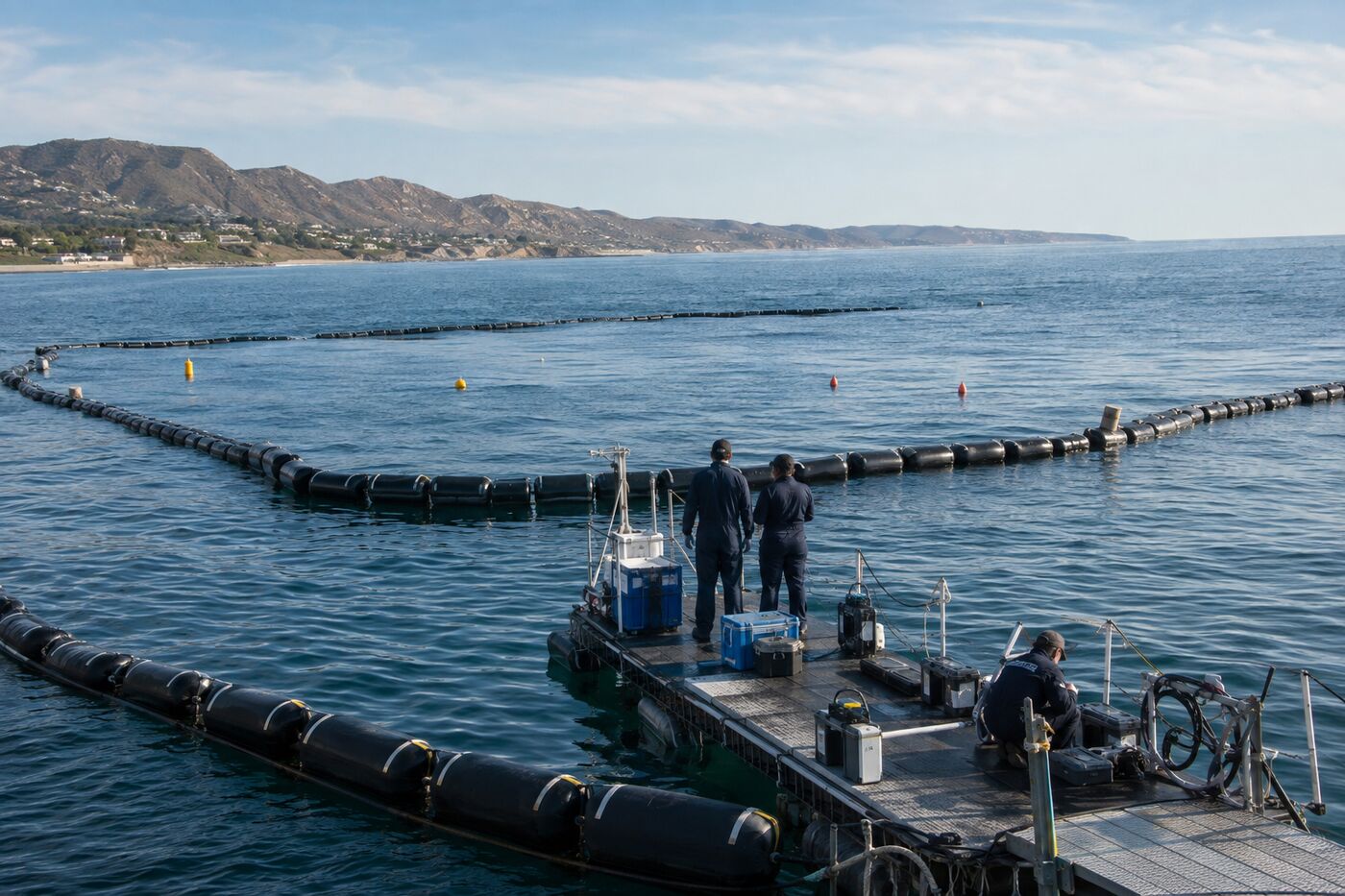
The law also says cetaceans—including dolphins, porpoises and whales—must be housed in sea pens rather than concrete pools or tanks. Where geography makes that impossible, the facilities must be open and receive outside seawater through tides or pumping. The rules include temporary exceptions for emergencies or animal-health risks.
Why ending breeding does not end responsibility
A breeding ban does not mean dolphins already living under human care can simply be released. Animals born or held in captivity may depend on professional care, and any possible release requires an individual assessment and an authorized plan.
Mexico’s decree therefore creates a transition rather than an instant emptying of every facility. Existing animals remain the responsibility of their keepers. The central change is that commercial facilities cannot replenish their populations by producing more marine mammals for display.
Supporters of marine parks often argue that close encounters can educate visitors and inspire concern for ocean life. Some institutions also participate in rescue, research and veterinary work. Critics respond that education and conservation should not depend on breeding intelligent, wide-ranging animals for performances or visitor interactions.
Mexico’s reform does not deny that animals presently in captivity need expert care. Instead, it draws a legal line between caring for animals who already exist and creating new animals to sustain an entertainment business.
The last-generation question
The emotional appeal of a baby dolphin is undeniable. Calves attract families, photographs and attention. But that appeal is precisely why the breeding question matters: every baby seen by visitors may spend decades living within a managed facility.
Mexico’s answer is now clear. Fewer baby dolphins at commercial attractions is not treated as a loss that justifies continued breeding. It is the intended result of a policy designed to phase out that cycle while maintaining care obligations for animals already held.
The debate over marine parks will continue in other countries. In the United States, federal rules still allow qualified facilities to hold marine mammals for public display, and NOAA maintains an inventory that records births, acquisitions, transfers and deaths. Mexico has chosen a different direction—one in which the future of marine-mammal care is meant to move away from breeding animals for entertainment.
Sources
- Diario Oficial de la Federación: July 16, 2025 decree amending Mexico’s General Wildlife Law
- Mexico’s Chamber of Deputies: General Wildlife Law and reform history
- Mexican Senate: Marine-mammal reform summary
- Humane World for Animals: Explanation of the reform
- NOAA Fisheries: Public display of marine mammals in the United States
