
This is an opinion article based on documented policy, welfare research and the ongoing debate over captive-bred lion hunting.
When an animal has no meaningful chance to escape, calling its death a “hunt” does not make the contest fair.
That is the central objection to canned hunting: an animal is killed in a controlled setting where confinement, habituation to people or the circumstances of release can give the paying hunter an overwhelming advantage. The label should not be applied carelessly to every legal trophy hunt on private land. But where a captive-bred or confined animal is effectively delivered to a shooter, the ethical problem is hard to avoid.
What “canned hunting” means
The captive lion industry in South Africa has become the clearest international example. Lions have been bred and kept for commercial uses that can include tourism interactions, hunting and the trade in lion parts. A 2024 statement from South Africa’s environment department said a ministerial task team recommended closing the captive breeding sector, including the keeping of lions in captivity and the commercial use of captive lions.
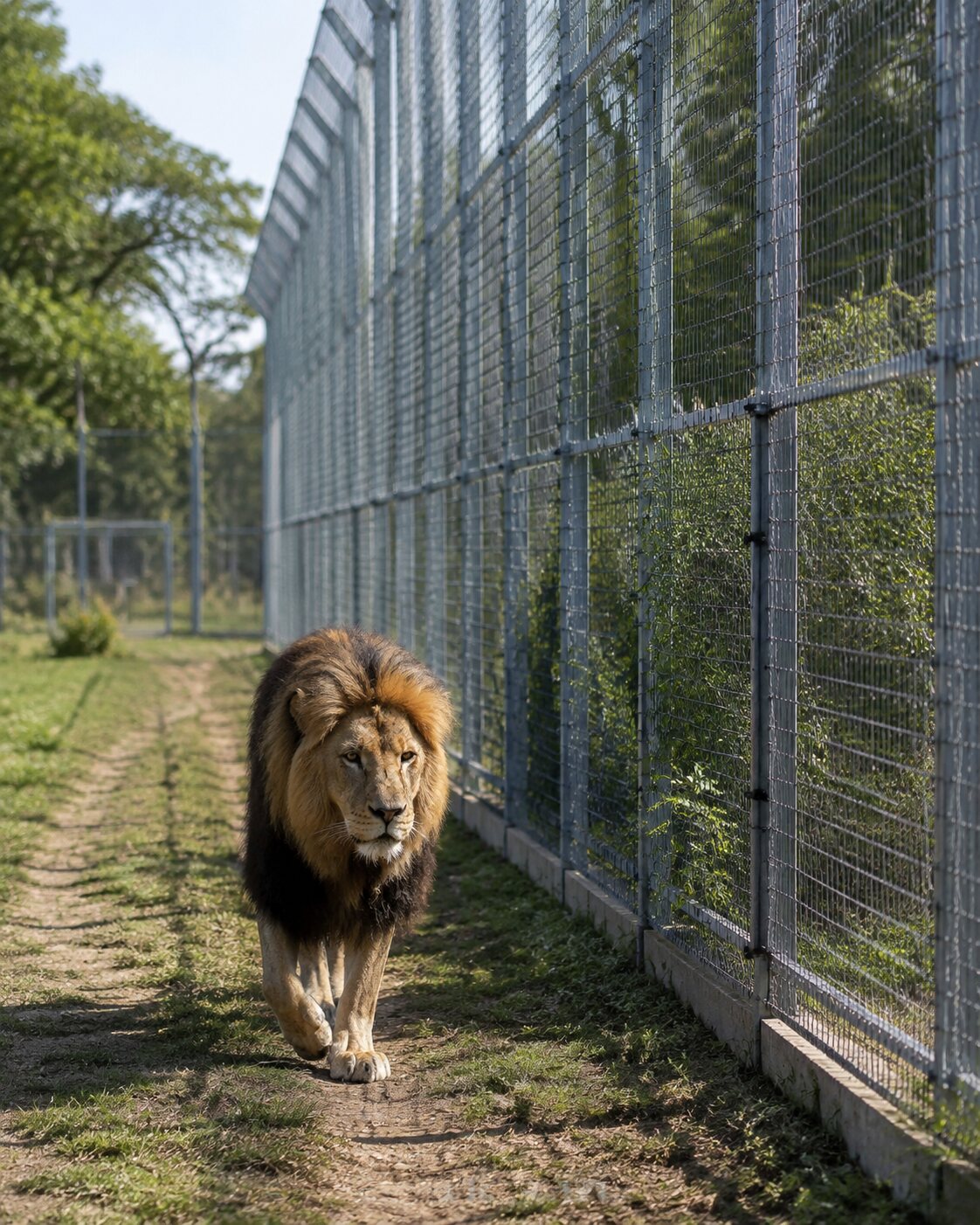
South African authorities have been debating this system for years. In 2018, a parliamentary committee called for a policy and legislative review aimed at ending captive lion breeding for hunting and the lion-bone trade. The government later endorsed a national policy position to close the captive lion sector, while working through the difficult questions of existing animals, workers and facilities.
Scientific concerns go beyond the moment of the kill. A systematic review of captive-lion welfare research identified a wide range of negative behaviors and physical-health problems relevant to commercial lion farms. A 2025 review of lion farming also examined claims that commercial breeding helps wild conservation and found the evidence does not support a simple conservation success story.
Jobs matter—but they do not settle the question
Defenders of private hunting operations often point to employment, hunting fees, land management and spending in rural areas. Those concerns should not be dismissed. A badly managed shutdown can leave workers without income and captive animals without secure lifelong care.
But economic activity is not an automatic moral exemption. The real policy test is not simply whether a practice makes money. It is whether the same land, skills and investment can support livelihoods without breeding or confining animals so that clients can pay to kill them.
Even within South Africa, the economic and conservation claims made for captive predator breeding have been challenged. A peer-reviewed cost-benefit analysis argued that the industry’s claimed benefits must be weighed against welfare, conservation, governance and reputational costs.
A transition that keeps wildlife alive
There are other ways for wildlife landscapes to create value: guided viewing, photography, hospitality, habitat restoration, ranger work, research and locally owned tourism businesses. The World Bank has documented projects in South Africa creating jobs through nature-based tourism, sustainable agriculture and local business development. These models are not effortless substitutes, but they prove that wildlife can support livelihoods while remaining alive.
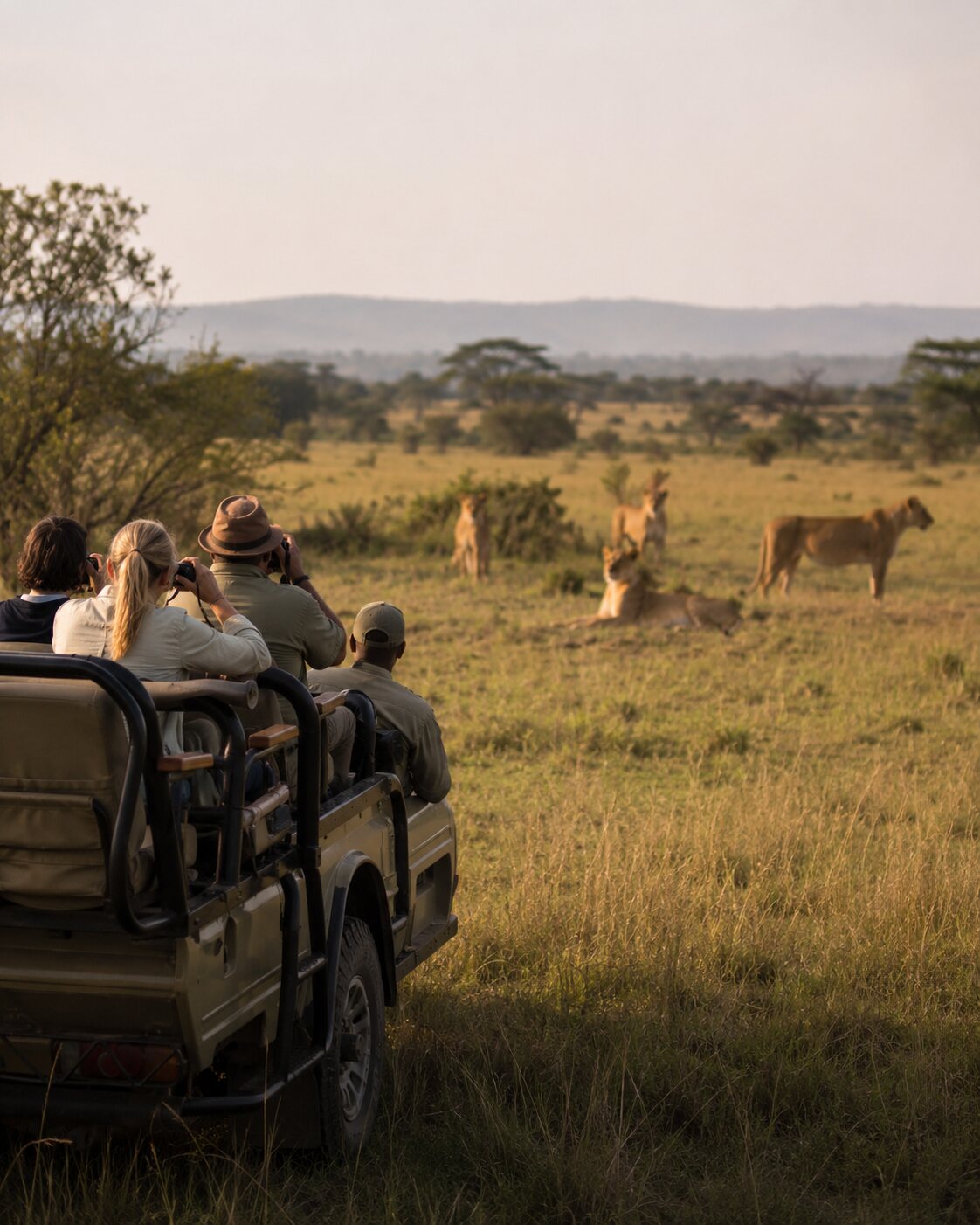
A humane phase-out should therefore do two things at once: end practices that deny animals any fair chance, and help workers and communities move toward durable alternatives. It should also guarantee responsible care for animals already held in captivity rather than allowing them to become casualties of a rushed transition.
Jobs matter. Communities matter. Conservation funding matters. But the life and suffering of the animal must matter too. If an industry can survive only by placing a confined animal in front of a paying shooter, society is entitled to ask whether that is a livelihood worth preserving—or one that should be replaced.
Sources
- South African Department of Forestry, Fisheries and the Environment
- Parliament of South Africa
- Animal Welfare journal systematic review
- Reviewing Evidence for the Impact of Lion Farming in South Africa
- World Bank: South Africa’s wildlife economy and rural jobs
